
MN Cannabis Sample
Submit a Minnesota Cannabis Testing Sample
01
Step 1
Create an Order
Complete the new customer form online! You’ll receive a confirmation email with submission instructions, required paperwork, and a direct line of communication to our Client Experience Specialist!
02
Step 2
Create a sample package
Create a lab sample package online using the METRC system.
03
Step 3
Ship Your Samples
Package up the sample and send it via an approved transport method to:
2224 26th St S,
Moorhead, MN 56560
04
Step 4
Testing & Payment
Once samples are received, you’ll receive a welcome email with access to our payment portal (Connect Booster) and a copy of your invoice. Payments can be made by ACH, or by including a check with your samples.
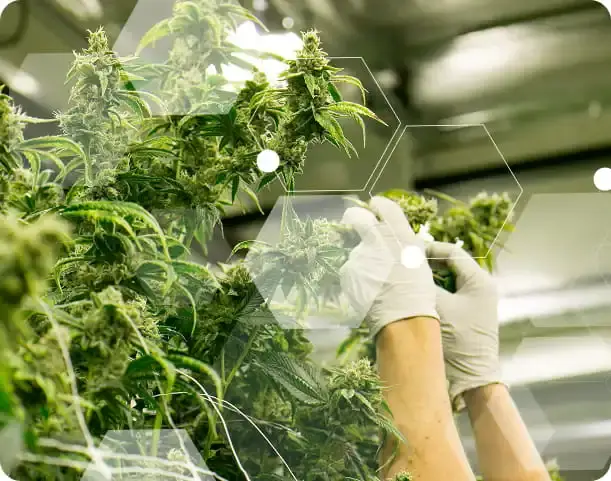
Cannabis testing
Who Can Submit Samples?
Cannabis samples may be submitted to AIT by licensed Minnesota cannabis businesses operating within the state’s regulated market. This includes operators involved in cultivation, manufacturing, and product development.
- Licensed cultivators
- Licensed manufacturers and processors
- Licensed distributors and wholesalers
- Authorized testing or compliance representatives
Submit a Cannabis Sample
Cannabis Sample Requirements
To ensure accurate and representative results, please follow these basic guidelines when submitting your sample.

Sample Guidelines
- Use leak-proof, sealed containers
- Clearly label each sample
- Package samples securely to prevent damage
- Follow all applicable state regulations for sample transport
- Samples must be transferred using licensed transport
- Transfers must be recorded in METRC
- We are notified through METRC and maintain chain of custody upon receipt
If you have questions about sample size, packaging, or testing requirements, our team is happy to help.
Start testing
New Customer Form
Fill out New Customer Form below to send in samples
"*" indicates required fields
MN Cannabis testing FAQs
MN Cannabis Testing Questions
Below are answers to some of the most common questions we receive. If you don’t see what you’re looking for, contact our team and we’ll be happy to help guide you through the process.
What tests do I actually need for my product?
- Flower (retail): microbial, mycotoxins, heavy metals, pesticides, foreign matter, potency, stability
- Concentrates: microbial, mycotoxins, heavy metals, pesticides, residual solvents, potency, stability
- Final products (edibles, infused products): microbial, potency, homogeneity, stability
What do I need to track or tell the lab before testing?
- Pesticides applied during cultivation
- Solvents or catalysts used during extraction or manufacturing
- Complete and accurate batch information in METRC/statewide monitoring system
What happens if my batch fails testing?
- You may request a reanalysis (same sample, same lab) within 7 days
- If it passes reanalysis → it must be retested by a different lab
- If it fails again → the batch must be remediated or destroyed
- Only one reanalysis and one retest are allowed
- The batch must remain intact (no splitting or combining)
How long does the lab have to test and report results?
- Microbial testing must be initiated within 5 days
- Testing is generally expected to be completed within 10 days
- Results must be reported within 2 business days of completion
Our commitment:
Can I submit samples for research & development (R&D)?
- R&D testing does not replace compliance testing
- Samples must be designated as R&D in the statewide monitoring system
- Results are labeled accordingly and cannot be used for product release
What analytes are included in each test?
- Microbial: total yeast/mold, pathogens (Salmonella, E. coli, Aspergillus, etc.)
- Heavy metals: arsenic, cadmium, lead, mercury
- Pesticides: extensive list of regulated compounds
- Residual solvents: e.g., butane, propane, benzene, etc.
- Cannabinoids (potency): THC, THCA, CBD, CBDA, CBN, CBG, and others
Can you help me understand my Certificate of Analysis (COA)?
- Pass/fail status for all required tests
- Cannabinoid potency and profiles
- Contaminant results and limits
- Supporting data like LOQs and method details
How accurate does my label potency need to be?
- Measured cannabinoid content must be within ±15% of the labeled value
- Exception: certain low-level cannabinoids may allow ±25% variance under specific conditions
What is homogeneity testing and when is it required?
- Products with multiple servings or units (e.g., gummies, chocolates, beverages)
- Typically tested on 10 individual units
- Must fall within ±15% of the label claim
- On the first batch
- Whenever the manufacturing process changes
What is stability testing and how does it work?
- Conducted on the final packaged product
- Evaluates:
- Microbial stability
- Cannabinoid potency over time
- Potential contamination from packaging
- Products default to a 6-month expiration date
Submit a MN Cannabis Sample
Sample Submission Forms and Resources
- Request for Analysis Form
Tell us the tests you need and what information you want on your COA.
- Chain of Affirmation Form
Should always accompany mailed in samples showing your product is a legal substance.
- Request for Analysis Form for Beverages
Tell us the tests you need, the weight of the beverage, and how many servings to show potency reported as mg per serving!
- Sample Sizes
Questions about sample sizes? We’ve got it all broken down for you!
- Creating Testing Orders Online
Use ConfidentLIMS to create your test request. Instructions also include how to ensure that your potency results are reported as mg/serving and how to communicate that you want potency tested before other tests.